

Most Americans know chicken wings through Buffalo sauce, Cajun seasoning, barbecue rubs or honey garlic glaze.
Chinese cooking offers an entirely different range of flavors: white pepper, soy, cumin, dried chilis, garlic, ginger and, of course, the unmistakable citrusy tingle of Sichuan pepper.
Alexis Ohanian, co-founder of Reddit, recently asked why every American wing spot isn’t already offering Sichuan pepper wings — the kind that leave your mouth buzzing and gently numb.

We couldn’t agree more. Sichuan pepper deserves far more attention in America. It does not simply make wings hotter. It brings a bright citrus aroma and an electric sensation that makes every bite more exciting.
And Sichuan pepper is only one way to season a wing. Some of the styles below come directly from regional Chinese cuisines. Others developed in Chinese American restaurant kitchens.
Together, they show just how far chicken wings can go beyond ordinary hot sauce.
1. Chinese-American Takeout Wings

Let’s begin with the style many Americans already know.
Chinese American takeout wings are not tied to one province. They developed in Chinese restaurants across the United States, where wings became a popular menu item alongside fried rice, chow mein and egg rolls.
For a definitive family style recipe, try The Woks of Life’s Fried Chicken Wings, Chinese Takeout Style. The wings are marinated with soy sauce, Shaoxing wine, sesame oil, white and black pepper, then coated with flour and cornstarch.
The key is double frying. The first fry cooks the wings and sets the coating; the second makes them extra crisp. The result is juicy, savory and familiar, a perfect gateway to the more regional styles that follow.
2. Sichuan Pepper Wings: Citrusy, Aromatic and Tingly
If Chinese American takeout wings are the familiar starting point, Sichuan pepper wings are where things get electric.
Sichuan pepper does not just add heat. It brings a bright citrus aroma and a thrilling buzzing sensation across your lips and tongue. This is the numbing side of málà. Dried chilis bring the heat; Sichuan pepper makes the bite come alive.
For an easy oven friendly version, try Omnivore’s Cookbook’s Baked Sichuan Chicken Wings. The recipe combines Sichuan pepper, dried chilis, cumin, brown sugar and garlic powder for crisp, intensely aromatic wings without deep frying.

Photo: Maggie Zhu / Omnivore’s Cookbook

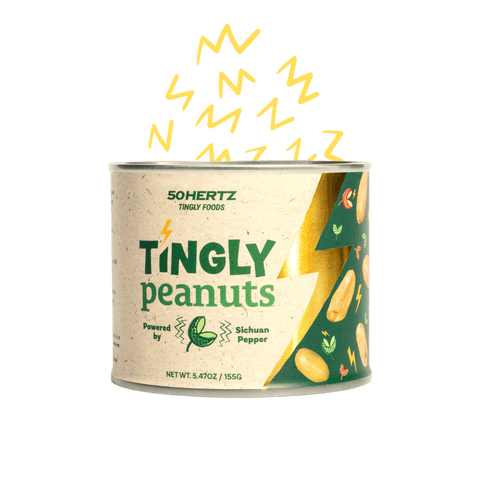
Image: At The Royal American, a Charleston bar, restaurant, and live-music venue, the “Magic Wings” get their signature tingle from 50Hertz Sichuan pepper.
For the brightest flavor, grind whole Sichuan pepper just before using it. First comes the citrusy aroma, then the gentle tingle, then the buzzing sensation that makes you reach for another wing.
This is exactly what Ohanian was getting at when he wondered why every American wing spot does not offer Sichuan pepper as a flavor.
3. Cantonese Inspired Char Siu Wings
Char siu is classic Cantonese barbecue, the sweet, glossy roast pork hanging in restaurant windows across Chinatown. The same sauce shows up in fried rice, buns and ribs, and it works just as well on wings.
The Meatwave's Char Siu Chicken Wings keeps the sauce and crispy skin separate. The wings get a dry rub of baking powder, salt, brown sugar, five spice and white pepper, then air dry uncovered in the fridge overnight so the skin crisps on the grill instead of steaming under a wet marinade.

Photo: Joshua Bousel / The Meatwave
The sauce is hoisin, honey, soy sauce, Chinese rice wine, fermented red bean curd and more five spice.
Grill the wings over indirect heat until browned and crisp, then toss in the sauce and finish briefly over direct heat until glossy.
The result is sticky, savory and a little smoky, with real char siu character rather than a generic honey soy glaze. Garnish with cilantro and serve hot.
4. Xinjiang Cumin Chile Wings
If Sichuan pepper is about the tingle, Xinjiang style wings are about toasted spice, with cumin taking center stage.
The inspiration comes from yangrou chuan, Xinjiang style lamb skewers sometimes affectionately called chuan’er in Beijing because they are such a ubiquitous part of the city’s street food culture. Anyone who has lived in Beijing probably remembers devouring skewer after skewer late into the night.
Here, cumin is not a background note. It is the whole point, backed by chili, garlic and salt.

Image: Cumin-crusted yangrou chuan on metal skewers, ubiquitous in Beijing street food, alongside a similar cumin-forward Xinjiang spice blend applied to fried chicken drumsticks.
The Woks of Life’s Xinjiang Spiced Fried Chicken applies this chuan’er flavor profile to chicken with ground cumin, chili powder, Sichuan pepper, five spice, garlic powder, salt, sugar, oil and Shaoxing wine.
Although the recipe uses drumsticks, the seasoning works beautifully on wings. Marinate them for at least four hours, ideally overnight, then coat lightly with flour and cornstarch before frying until crisp.
The result is smoky, earthy and intensely fragrant. A small amount of 50Hertz Red Sichuan Pepper adds warmth and a gentle tingle without competing with the cumin.
5. Chongqing Làzǐjī-Inspired Wings

Where the earlier Sichuan pepper wings highlight Sichuan pepper’s citrusy tingle, Chongqing làzǐjī is all about chili excess: crisp pieces of chicken buried beneath a mountain of dried red chilis.
In traditional làzǐjī, the chilis can outnumber the chicken. Danny Bowien adapted that idea at Mission Chinese Food, a cult favorite San Francisco restaurant, by using whole wings and a higher chicken to chili ratio.
If you lived in San Francisco during Mission Chinese Food’s heyday, you probably remember the lines outside its scrappy Mission District space. Its Chongqing Chicken Wings became one of the restaurant’s best known dishes.
In The Mission Chinese Food Cookbook, Bowien’s recipe fries whole wings until crisp, coats them in a spice mix rich in Sichuan pepper, then tosses them with four cups of toasted dried Tianjin chilis. You can find the full Chongqing Chicken Wings recipe excerpted from the cookbook here.
The result is spicy, fragrant and numbing, with the wings still surrounded by the mass of dried chilis that gives làzǐjī its signature look.
6. Cantonese Salt and Pepper Wings

If the mountain of dried chilis above leaves you wanting something simpler, Cantonese salt and pepper wings are a good reset.
The name sounds almost deceptively simple. In reality, these wings are packed with flavor from white pepper, garlic, shallots, green onion and fresh chilis, with a crisp coating that gives all those aromatics something to cling to.
For a classic Cantonese version, try Made With Lau’s Salt & Pepper Chicken Wings, from Daddy Lau, who spent more than 60 years cooking professionally and made this dish repeatedly throughout his career.
His version marinates the wings with soy sauce, oyster sauce, cooking wine and white pepper, then coats them in equal parts flour and cornstarch. The wings are fried twice for extra crunch, then quickly tossed in a wok with garlic, shallots, green onion, fresh chilis and a simple salt and white pepper seasoning.
The result is crisp, savory and aromatic, with far more spice and complexity than the name “salt and pepper” suggests.
Beyond Buffalo Chicken
Chicken wings are a canvas, and Chinese cooking shows just how much you can do with one.
Chinese American takeout crunch. Sichuan pepper's electric tingle. Cantonese char siu. Xinjiang cumin. Chongqing's chili mountain. Salt and pepper wings packed with aromatics.
Six flavors, six completely different takes on the same familiar wing. These are not novelty flavors. They reflect distinct Chinese and Chinese American ways of building heat, aroma, texture and savoriness.
Start with one. Chances are, you’ll want to try all six.




Comments (0)
There are no comments for this article. Be the first one to leave a message!