

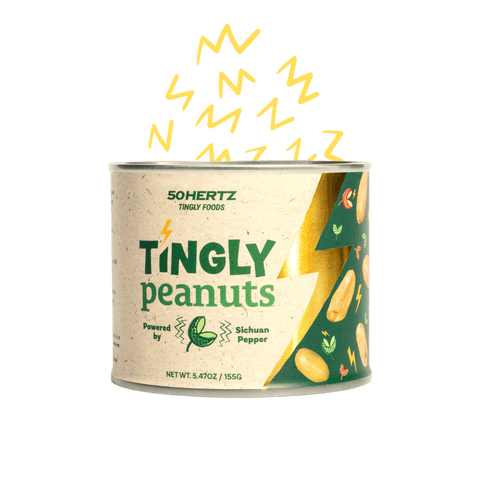
First, you bite into an extra-plump, ultra-crispy peanut. Then — wait for it — your lips and tongue begin to tingle. Slowly at first, then more intensely. That’s 50Hertz Food’s blend of red and green Sichuan pepper, performing their electric dance in your mouth.
These aren’t just any peanuts. They come from Kaifeng, China, an ancient city along the Yellow River that served as China's imperial capital for eight dynasties.
Today, it’s the heart of one of the world’s great peanut-growing regions. Known locally as the “Peanut Kingdom” (Huāshēng Wángguó, 花生王国), its prized peanuts — extra-plump, ultra-crunchy, and rich in flavor — are nicknamed “Golden Peanuts” (Jīn Dòudòu, 金豆豆) for their high oil content and economic value.

Image: Kaifeng — historic capital and heart of China’s ‘Peanut Kingdom’ (花生王国).
Why the Yellow River Region Makes Better Peanuts
The secret to Kaifeng peanuts lies in soil, climate, and centuries of cultivation knowledge.
Soil
Kaifeng’s peanut fields sit on the Yellow River plain, where seasonal flooding deposits layers of soft sandy loam, clay, and mineral-rich silt. This loose, well-aerated soil structure allows peanut roots to grow deep and spread wide, pulling in nutrients that enrich both flavor and aroma.
The sandy component ensures quick drainage, preventing waterlogging, while the mineral-rich silt holds just enough moisture for steady growth. This natural soil balance produces peanuts with thin skins, plump kernels, and a clean, sweet taste.


Images: Sandy loam and mineral-rich silt in Kaifeng’s Yellow River plain — the perfect soil mix for growing crisp, flavorful peanuts.
Watch our visit to Kaifeng’s peanut fields and see the soil up close.
Climate
Kaifeng has a warm temperate continental monsoon climate with four distinct seasons. Hot, sunny summers contribute to vigorous growth, while cool, dry autumns let peanut pods cure naturally underground — boosting both crunch and flavor.
This slow ripening concentrates oils, sugars, and aromatic compounds. Cold, dry winters reduce overwinter pests, and spring brings just enough rain to establish healthy seedlings without encouraging rot.

Peanut fields thriving under Kaifeng’s warm temperate monsoon climate — hot summers and cool, dry autumns create the perfect conditions for flavor-rich, crunchy peanuts.
Water
Fed by natural irrigation channels branching from the Yellow River, Kaifeng’s peanut fields benefit from consistent, gentle watering throughout the growing season.
This method mimics nature’s rhythms — enough moisture to sustain plants during flowering and pegging (when stems push into the soil to form pods), but never so much as to drown the roots. By harvest time, the dry-season climate ensures pods cure evenly, locking in flavor and giving the peanuts a light, crisp texture that roasts beautifully.

Image: 50Hertz Tingly Peanuts by the banks of the Yellow River — the lifeblood of Kaifeng’s fertile peanut fields.
Kaifeng’s peanut-growing reputation is so strong that in 2017, "Kaifeng County Peanuts" earned China’s national agricultural product geographical indication — officially recognizing the region’s unique peanut quality.
Grown with Tradition, Harvested with Care
Generations of Kaifeng farmers tend their fields daily — managing irrigation from the Yellow River, monitoring plant health, and timing harvest for peak quality.
- Planting: Seeds are planted in May once the soil has warmed and spring frost has passed. Farmers choose varieties adapted to Kaifeng’s sandy, silt-rich Yellow River soils — cultivars improved over time for yield, resilience, and flavor.
- Growth Cycle: Over the next 120-150 days, plants go through distinct stages: germination, vegetative growth, flowering, pegging, pod development, and maturation. The deep roots draw water and nutrients from fertile deposits left by the Yellow River.

Our founder in Kaifeng’s peanut fields, holding freshly harvested peanuts alongside a pack of 50Hertz Tingly Peanuts.
- Harvest: By September, when pods are fully mature, plants are pulled from the soil. Farmers shake off excess earth and spread the peanuts in the sun to dry — a traditional step that concentrates flavor and preserves crunch.
- Selection: We only use the plumpest, highest-grade peanuts for our tingly snacks. Peanut grading is based on how many kernels make up 100g—for example, No. 28 means 28 peanuts weigh 100g. The smaller the number, the larger and more premium the peanut. While most generic brands use smaller No. 28–32 peanuts, we select only No. 20–24—bigger, fuller peanuts that deliver superior crunch, flavor, and satisfaction.”
- Processing: Once dried, our peanuts undergo a careful transformation. They are first sorted, with only plump, unblemished peanuts making the cut. Slow sun-drying locks in their natural crunch and prevents bitterness, while gentle roasting deepens the aroma and brings out a natural sweetness. Excess oil is then removed for a lighter, crispier bite. Finally, we toss them with rosemary, green Sichuan pepper for a citrus kick, and red Sichuan pepper for a warm, floral edge — layered flavors that leave a lasting tingle before we seal them fresh.
- Shipping: After packaging, the peanuts are sent by fast boat from China to the USA, then delivered to your doorstep.

Infographic: Every step, from field prep to harvest, follows strict quality standards to ensure purity and flavor.
Nutritional & Natural Goodness
Kaifeng peanuts are more than just a snack — they’re nutrient-rich, carefully harvested, and shaped by centuries of selective cultivation. Their balanced composition delivers both exceptional flavor and proven health benefits.
- Macronutrients: 44–45% healthy fats, 24–36% protein, ~20% natural sugars.
- Vitamins & Minerals: Rich in vitamin E, niacin, thiamine, riboflavin, calcium, phosphorus, and iron.
- Plant Compounds: Lecithin, choline, carotene, and unsaturated fatty acids - linked to brain health and cardiovascular protection.
- Health Benefits: Research shows peanuts can help lower cholesterol, improve heart health and support memory.
High-Oleic Acid Varieties for Superior Quality
Kaifeng in Henan Province is known for developing some of China’s finest peanut varieties. These cultivars are naturally rich in oleic acid (over 75%), a heart-healthy monounsaturated fat also found in olive oil and avocados. Oleic acid helps peanuts stay fresher for longer, preserves flavor stability, and supports antioxidant activity.
The U.S. Food and Drug Administration (FDA) has reviewed oleic acid and found credible evidence suggesting that oils high in oleic acid — when used in place of fats higher in saturated fat — may reduce the risk of coronary heart disease (FDA source).

Quality You Can Taste
Just as wine reflects its vineyard and coffee its origin, Kaifeng peanuts carry the unmistakable signature of their terroir. Compared to generic store-bought peanuts, ours are fresher, sourced directly from trusted farmers; crunchier, thanks to naturally thin skins that allow for even roasting; and more aromatic, with soil minerals and climate shaping a sweeter, richer flavor.
How to Enjoy Them at Home
Enjoy them straight from the bag for the perfect grab-and-go tingle, or sprinkle over salads and noodle bowls for added crunch. They pair beautifully with beer, sparkling water, cocktails, or green tea, and make an irresistible party snack guests will keep coming back for.
Ready for the Tingle?
We crossed an ocean for these peanuts — and once you taste them, you’ll understand why.
Shop Tingly Sichuan Pepper Peanuts — fresh, small-batch, and made with the world’s finest Kaifeng peanuts.




Comments (0)
There are no comments for this article. Be the first one to leave a message!