

What do Berlin beer halls, Tokyo izakayas, and your favorite neighborhood dive bar have in common?
They understand that drinking is rarely just about the drink — it’s about the food that makes the drink better.
Sometimes it’s a small bowl of something salty and crunchy. Sometimes it’s a shared plate that quietly shapes how long we stay and what we order next. A great bar bite doesn’t just sit on the table. It sparks conversation, balances a cocktail, and makes you reach for another sip.
Before we take a global tour, a quick caveat: this isn’t an exhaustive survey of every drinking culture on earth. It’s a curated highlight reel — a look at how different places solve the same delicious problem.
First, why does bar food work at all?
Why Bar Food Works: A Little Sensory Science

Bar snacks aren’t random. They’re functional.
Salt boosts flavor, suppresses bitterness, and heightens dryness — which, paired with alcohol, encourages another sip. That’s why hoppy beer tastes smoother with pretzels and wine feels rounder with olives.
Fat softens edges. Peanuts and cashews coat the palate, muting harsh burn and tannins so drinks feel fuller and easier.
Crunch signals freshness. That audible snap keeps hands returning to the bowl.
Carbonation adds lift. Pair it with salt and each sip tastes brighter.
Salty bite. Cold sip. Palate reset. Repeat.
It’s simple sensory logic — and nearly every drinking culture has figured it out.
A Curated Tour of Drinking Food Around the World
Japan: Izakaya Rhythm

In Japan, drinking unfolds slowly and with care.
At an izakaya, the night often begins with otōshi — a small appetizer placed on the table before you’ve ordered. It might be salted edamame, chilled tofu with scallions and bonito, pickled vegetables, or soy-dressed lotus root. Seasonal. Precise. Just enough to meet the first sip.
Then come the otsumami, small plates meant for drinking: skewers of yakitori brushed with sweet soy glaze, karaage with crackling skin, grilled mackerel, buttery cabbage, or salty potato wedges.
Nothing overwhelms the glass. Each dish arrives in rhythm with it.
Here, bar food isn’t filler. It’s pacing.
Germany: Pretzels and Long Tables

In Germany, beer is communal and unhurried.
A basket of salted soft pretzels lands first, dark and chewy, ready for mustard. Then come the classics: schnitzel, golden and crisp; sausages with sauerkraut; roasted pork knuckle with blistered crackling; potato salad dressed in vinegar or cream, depending on the region.
The spread echoes brotzeit — bread, cheeses, pickles, cold cuts — meant for beer gardens and long afternoons.
Heavy mugs. Shared tables. No rush.
Spain: Tapas, Jamón, and the Caña

In Spain, a drink rarely arrives alone.
Order a caña — a small draft beer — and you might get olives or fried almonds. In many regions, a small tapa simply comes with the ritual. Soon the table fills: ham croquettes, blistered padrón peppers, garlic shrimp, marinated anchovies, tortilla española.
In the Basque Country, tapas evolved into pintxos — skewered bites like the gilda (anchovy, olive, chili) alongside more elaborate creations.
And everywhere, jamón is carved into silky ribbons. Its fat softens red wine, rounds dry sherry, and makes cold beer taste smoother.
In Spain, snacks don’t sit beside the drink. They shape the night.
South Korea: Anju and Long Nights

In South Korea, drinking without food feels incomplete.
The dishes served with alcohol are called anju, and they’re built for sharing. Fried chicken with beer. Stir-fried octopus slick with chili. Tofu with sautéed kimchi. Seafood scallion pancakes crisp at the edges. Boiled pork belly wraps. Soy-braised pig’s trotters. Blood sausage at late-night tent stalls.
The flavors are bold — salty, spicy, fermented, rich.
Anju softens strong soju and keeps the table going well past midnight.
China: Peanuts, Seeds, and Málà

In China, alcohol is rarely poured without xiàjiǔ cài — dishes meant to go down with liquor.
At its simplest, it’s a bowl of peanuts or sunflower seeds cracked slowly between teeth, the rhythm of shelling filling the table. Casual. Continuous. Built for long conversations.
But serious spreads go further.
Cold dishes (liángcài) set the tone: smashed cucumber bright with garlic, wood ear mushrooms slicked in chili oil, slices of chilled beef or century egg dressed in soy. Then come deeper flavors — chicken feet lacquered in braise, spicy duck neck, dried tofu tossed with sesame and heat.
Nothing delicate. Everything is seasoned with intent.
Salt. Spice. Oil. And in Sichuan, something else: málà — the electric pairing of numbing má and warming là from Sichuan pepper and chili.
It doesn’t burn just for heat. It lifts. A gentle buzz and slow warmth that reset the palate so each sip feels new again.
Vietnam: Bia Hơi and Sidewalk Snacks

In Vietnam, drinking spills onto the sidewalks.
Fresh draft beer, bia hơi, is poured into small glasses meant for frequent refills. On the table: roasted peanuts, sunflower seeds, crispy pork rinds, and plates of ốc — snails and shellfish steamed with lemongrass or grilled with scallion oil and crushed peanuts.
There’s dried squid, quail eggs with lime and chili, clams bright with herbs.
Salty, briny, fresh. The beer stays cold. The conversation flows.
Italy: Aperitivo and the Bar Counter
Evenings in Italy start with aperitivo, the pre-dinner drink that’s as much about socializing as sipping.
Order a Spritz, Negroni, vermouth, or a glass of wine, and small bites arrive: olives, salted almonds, taralli (crunchy rings), grissini (thin breadsticks), or rustic crackers.
Plates often include prosciutto, mortadella, salame, and wedges of cheese with bread, sometimes paired with seasonal fruits like grapes, figs, or pear slices. Marinated vegetables, cherry tomatoes, or artichokes make occasional appearances.
In Milan, aperitivo can grow into a more substantial, buffet-style spread — mini sandwiches, savory pastries, fried snacks, and larger platters of cheese, meats, and fruit that nearly replace dinner. In Rome or Bologna, it’s simpler — a good board, high-quality ingredients, no fuss.
Salt and fat soften bitterness and highlight a touch of sweetness. Aperitivo isn’t dinner; it opens the appetite. The bites are small, but the ritual — friends, flavors, and the evening ahead — is essential.
United States: Bar Snacks and Game Day Plates

In the United States, bar snacks are hearty, casual, and made for sharing.
At most bars, bowls of salted peanuts or pretzels sit within easy reach, free or cheap. Patrons grab a handful while nursing a beer or watching the game. As the night goes on, the offerings get more substantial: buffalo wings (spicy fried chicken), loaded nachos (tortilla chips with melted cheese, sour cream, and toppings), fries, sliders, and mozzarella sticks.
On game days, the spread expands even further — chips and dips, veggie trays, and big platters meant for the whole group. Locals eat directly from the communal plates, swapping bites, cheering, and laughing.
Salt, fat, heat, and crunch dominate. The flavors are bold, built to stand up to cold beer, lively conversation, and the energy of the sports crowd.
How a Little Tingle Can Elevate Your Bar Food Experience

Across cultures, bar food follows the same logic: salt sharpens, fat softens, crunch refreshes.
From salted edamame in Japan to jamón in Spain, peanuts in China to fries in the U.S., every snack balances flavor, texture, and timing to keep the night moving.
But sometimes, a fourth element shifts the equation.
A flicker of brightness. A subtle electric lift.
That’s the magic of Sichuan pepper.
Its citrusy má doesn’t burn — it awakens. Peanuts taste brighter. Cashews richer. Grilled shrimp more aromatic. Fries more alive. Each sip feels cleaner, more vivid.
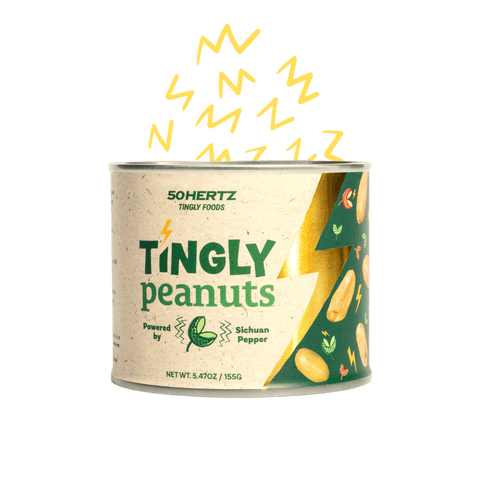
That’s the thinking behind 50Hertz Tingly Peanuts and 50Hertz Tingly Cashews — premium nuts layered with red and green Sichuan pepper for a clean, electric lift.
And it doesn’t stop at nuts.
A drizzle of 50Hertz Sichuan pepper oil over grilled shrimp channels Spain. A pinch of freshly ground 50Hertz Sichuan pepper on chicken wings nods to Korea. A light scatter over olives or into olive oil brightens an Italian aperitivo board. Even pretzels or fries wake up with a dusting of pepper or a few drops of infused oil.
The principle is global. The lift comes from Sichuan.
Salty bite. Cold sip. Tingle. Repeat.




Comments (0)
There are no comments for this article. Be the first one to leave a message!