

Mahjong is having a strangely glamorous comeback.
Designer sets. Boutique clubs. Mahjong retreats. Vogue features. Celebrity “Mahj” nights. Anime-inspired mahjong tournaments streamed online to younger audiences who then organize all-night games in real life.
The Wall Street Journal has called mahjong “the new pickleball.” Meghan Markle has a “Mahj Squad.” The New York Times has covered the rise of aesthetic mahjong hosting culture and luxury tile brands. Riichi mahjong communities have exploded online through anime, Twitch streams, Discord servers, and games like Mahjong Soul.
Somehow, one of the world’s oldest table games suddenly became cool again.
But mahjong’s resurgence isn’t really coming from one place.
It’s happening at the intersection of internet culture, analog nostalgia, diaspora identity, nightlife, fashion, and people increasingly desperate for experiences that feel social and real.
Mahjong’s Comeback Has Entered Celebrity Culture
Video: Mahjong’s comeback has officially entered celebrity culture. Gold House’s NYFW Lunar New Year celebration brought together Yerin Ha of Bridgerton, Anna Cathcart of To All the Boys I've Loved Before, Bowen Yang of Saturday Night Live, Hudson Williams of Heated Rivalry, and a crowd of designers and creatives around mahjong, cocktails, karaoke, and Chinatown nightlife.
The celebrity factor has helped accelerate the game’s visibility too.
Meghan Markle featured mahjong in Episode 6 of With Love, Meghan and has spoken about her “Mahj Squad.”
 Image: Meghan Markle playing mahjong in Episode 6 of With Love, Meghan.
Separately, Blake Lively reportedly had a mahjong set delivered during her trial to help pass the time — another sign of the game’s growing lifestyle appeal and visibility in celebrity circles.
Julia Roberts has said she unwinds by playing mahjong weekly with friends, describing the game as “making order out of chaos”. Such is life!
Vogue has covered the rise of stylish mahjong clubs, designer boards, and mahjong’s transformation into a full lifestyle aesthetic.
The Wall Street Journal framed mahjong as “the new pickleball,” following younger players flocking to trendy clubs, boutique retreats, and all-night social games as an antidote to doomscrolling and digital fatigue.
The Washington Post focused on millennial women building stylish mahjong communities around restaurants, cocktail nights, and social clubs — while also examining tensions around cultural appropriation and “preppy” white rebranding of the game.
Meanwhile, The New York Times has also covered mahjong’s rise as a hosting and lifestyle trend, including the growth of designer tile brands like Oh My Mahjong and the popularity of aesthetic mahjong game nights.
What’s interesting is that mahjong is no longer being framed purely as a game.
It’s increasingly being packaged as a hosting ritual, nightlife activity, aesthetic hobby, and social identity all at once.
The Rise of “Mahj” Lifestyle Culture
The current boom has also produced a very specific kind of American mahjong branding culture.
Pastel-colored sets. Custom racks. Cocktail pairings. Boutique retreats. Coordinated tablescapes. Luxury accessories.

Image: A $500 designer mahjong set from Oh My Mahjong that reimagines traditional mahjong imagery through pastel colors, candy motifs, and modern “Mahj” lifestyle branding.
For some newer audiences, mahjong now exists somewhere between dinner party activity, fashion accessory, and social club.
That transformation has helped expand the game far beyond traditional player circles.
At the same time, that visibility has also reopened broader conversations around commercialization, aesthetics, and cultural ownership — especially as designer “Mahj” branding and lifestyle culture become increasingly detached from the game’s deeper cultural roots and histories for many new American audiences.
But regardless of where people fall in those debates, the visibility itself is undeniable.
Mahjong has fully entered mainstream lifestyle culture in a way it arguably never has before in the United States.
How Anime and Streaming Helped Mahjong Explode Online
At the same time, a completely different version of mahjong has been exploding online.
Riichi mahjong (or Japanese mahjong) in particular has grown rapidly through anime, streaming culture, online matchmaking, and competitive gaming communities.

Image: A dramatic hand from the Japanese online game Mahjong Soul, whose anime-inspired style, streaming culture, and flashy effects helped introduce riichi mahjong to a global internet audience.
Riichi is already massively popular inside Japan. Estimates vary depending on methodology, but millions of people in Japan actively play mahjong, with some estimates placing the number around 4.5 to 7.6 million players nationwide.
Outside Japan, riichi mahjong has developed an increasingly global internet audience.
Terms like riichi, dora, ippatsu, and furiten now float around gaming culture far beyond traditional mahjong circles.
Games like Mahjong Soul helped create a major entry point for younger players who may never have encountered mahjong through family or local community before.
The vast majority of Mahjong Soul’s player base is still Japanese and Chinese, but the English-speaking mahjong community has been growing rapidly in recent years through Twitch streams, Discord servers, YouTube creators, and anime fandoms.
For many younger players, the progression now looks something like this: anime clip → Twitch stream → Discord server → online matchmaking → eventually organizing real-life games.
Ironically, internet culture helped bring people back to physical tables again.
Mahjong on Screen
Cinema has helped fuel the resurgence too.
The mahjong scene in Crazy Rich Asians worked because it understood that mahjong already comes loaded with emotional subtext.
The game isn’t just about winning. It’s about reading people, pride, restraint, sacrifice, and knowing what someone is trying to say without saying it directly.
The scene hits because Rachel knowingly discards the tile that lets Eleanor win. She gives up her own hand on purpose while quietly making a point: she’s walking away by choice, not because she lost.
Long before that, The Joy Luck Club used mahjong in a much more lived-in way.
The mahjong table feels like where life happens.
The moms gather to gossip, complain, remember China, argue, and talk about their daughters. It’s emotional, loud, awkward, affectionate, and deeply social all at once.
That’s part of why mahjong keeps showing up in movies and pop culture.
It naturally creates tension and intimacy at the same time.
Why Mahjong Feels So Timely Right Now

Image: Young players gather around a mahjong table at a Mahjong Mistress “East Never Loses” event in Los Angeles. Photo: Myung J. Chun / Los Angeles Times.
Part of mahjong’s resurgence probably comes from timing.
People are increasingly exhausted by algorithmic feeds, fragmented attention spans, and social experiences that happen primarily through screens.
Mahjong offers almost the opposite kind of interaction: long-form attention, physical presence, repeated gatherings, and shared ritual.
Unlike a lot of modern entertainment, mahjong cannot really exist passively in the background. The game demands focus, participation, and sustained interaction with other people around the table.
That dynamic feels surprisingly rare right now.
And maybe that’s why mahjong suddenly resonates across so many completely different groups at once: fashion people, anime fans, Chinatown nightlife crowds, older diaspora communities, competitive gamers, suburban hosting culture, and younger players looking for something more tangible than another night scrolling alone at home.
Somehow, a centuries-old tile game ended up feeling perfectly designed for this particular cultural moment precisely because it refuses to behave like modern technology.
It asks people to stay present a little longer. To read the room. To sit around one table for hours. To talk, snack, argue, laugh, and participate instead of passively scrolling past each other.
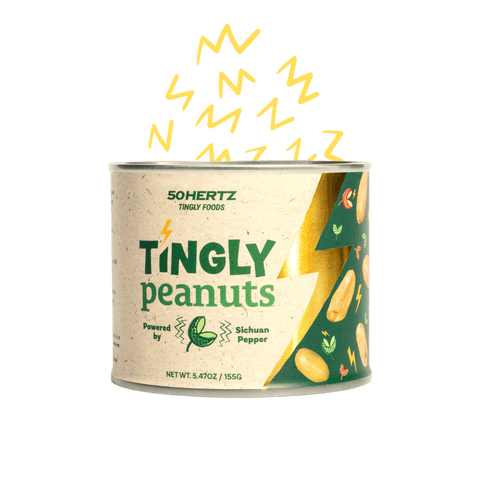
At 50Hertz Tingly Foods, we’ve always been drawn to those kinds of shared table experiences too — the snacks, drinks, conversation, and sensory rituals that turn ordinary gatherings into something memorable.




Comments (0)
There are no comments for this article. Be the first one to leave a message!